AI content engine

Create, Improve and Refine Content Faster With AI

Aligned with strategic themes and maturity goals. Create and adapt content faster, without losing consistency, quality or direction.
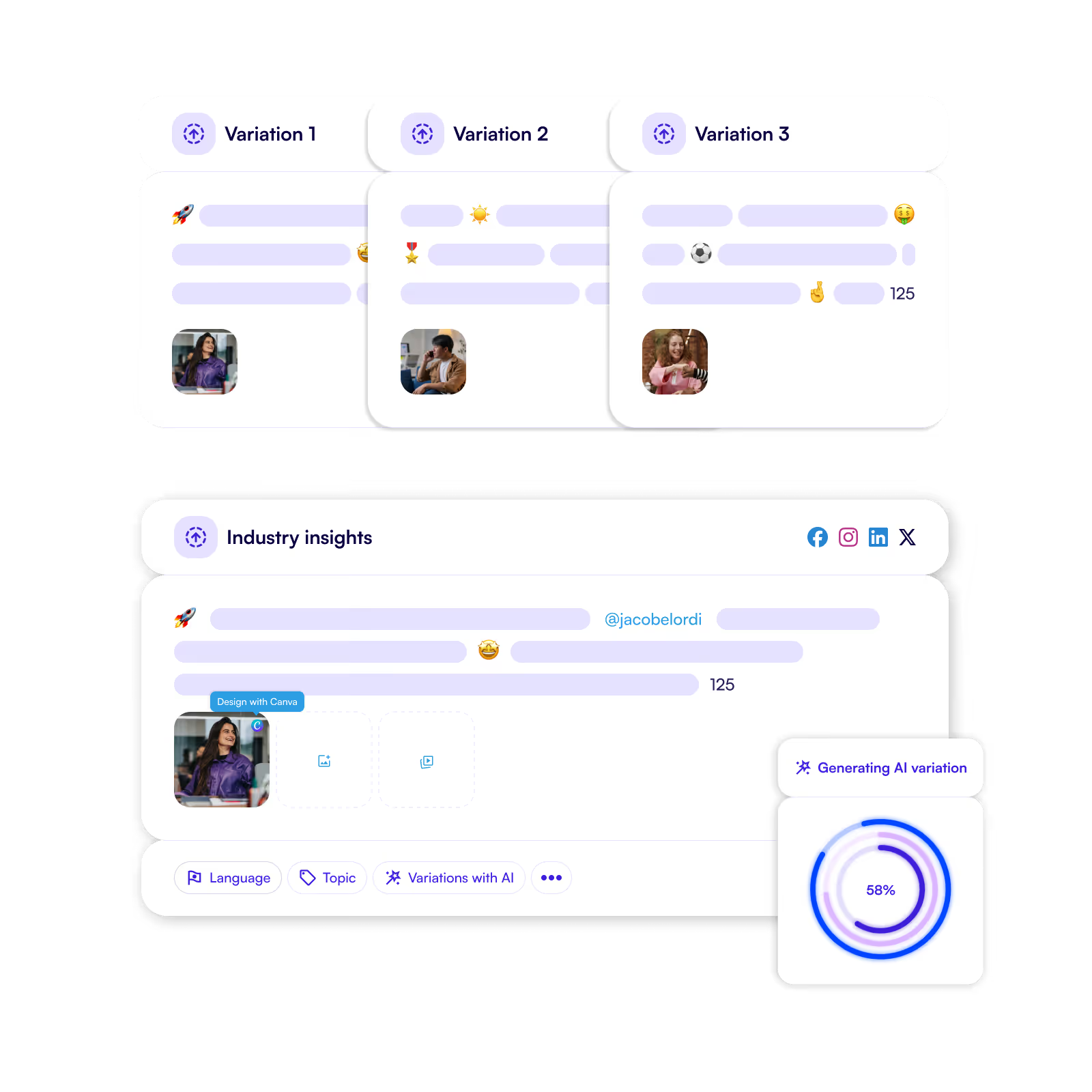
Create instant variations of a post with Ai.
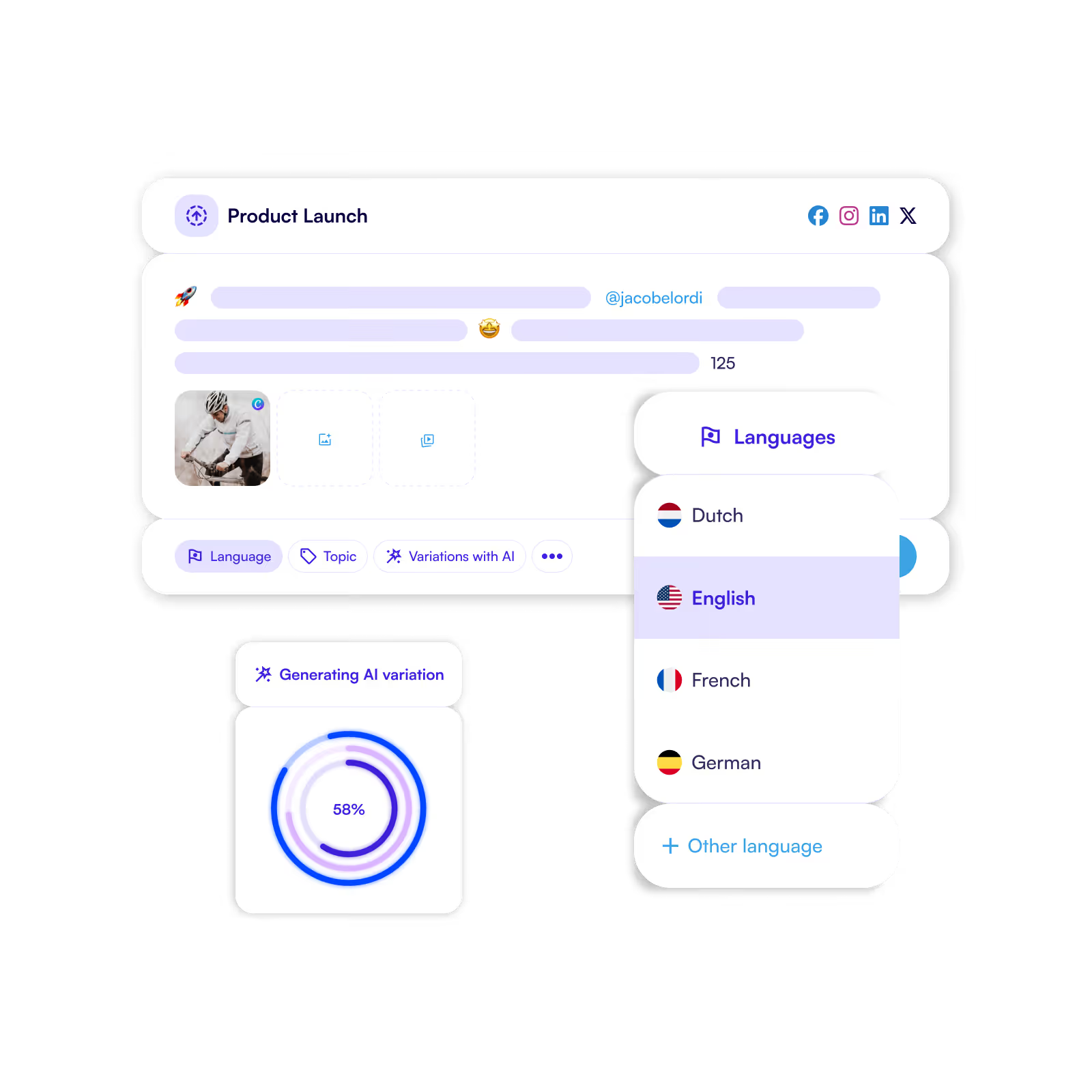
Composer to create post variations and auto translate them into different languages.

Why this feature matters.

Teams want to move faster, but speed often comes at the cost of consistency and focus. Without clear guardrails, AI can create noise instead of meaningful impact.

  • The AI content engine helps teams generate and refine content that stays aligned with strategic themes, tone of voice and Social Reach Optimization maturity goals.
  • It also makes it easy to translate and adapt posts into any language, allowing organisations to communicate consistently across regions, markets and audiences.

Key capabilities.

The AI Content Engine helps teams create and adapt content quickly while keeping messaging consistent and aligned with strategy.
  • AI-assisted content aligned with strategic themes.
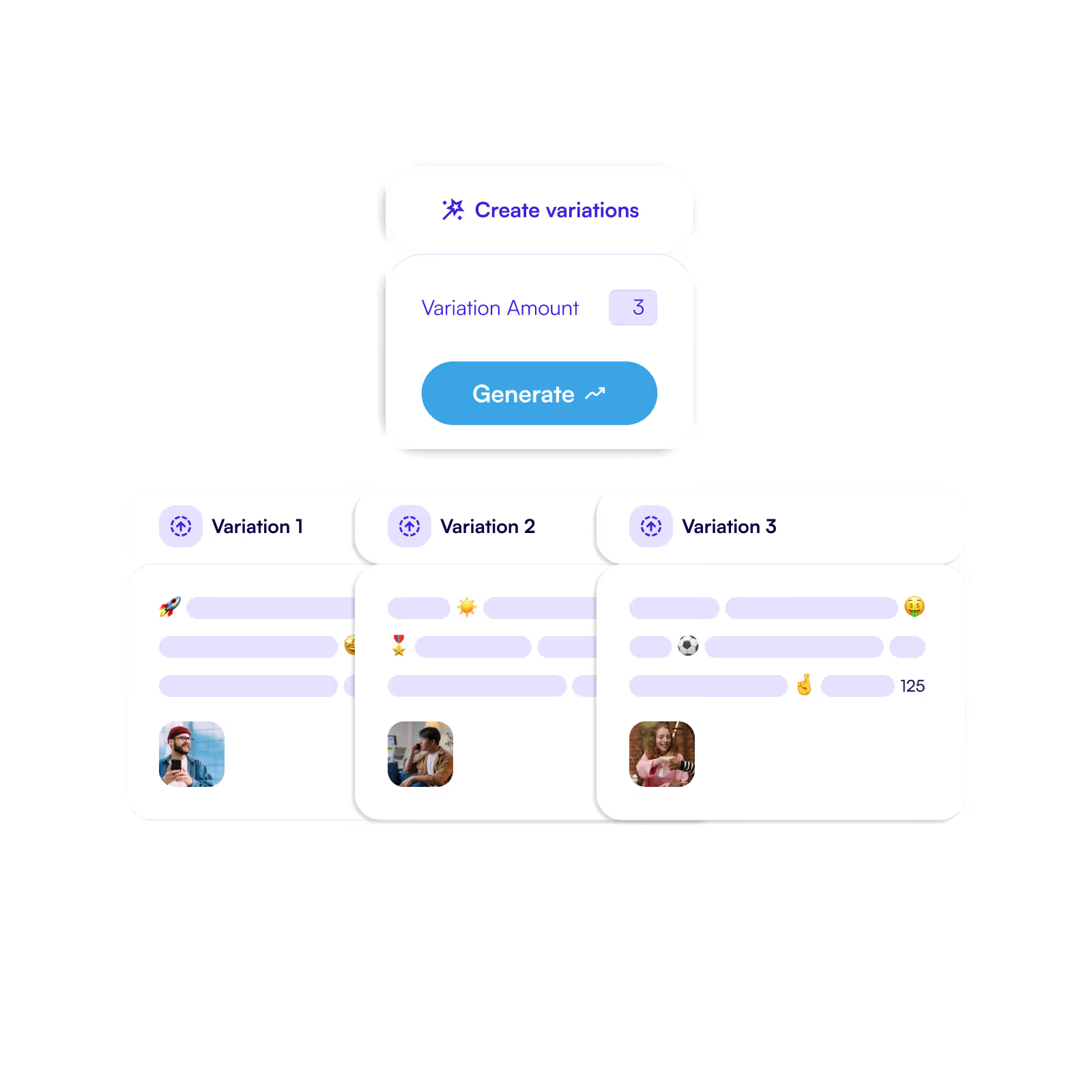
  • Instant variations per audience, channel or user group.
  • Consistent tone of voice.
  • Guidance for teams with different experience levels.
  • Faster execution without sacrificing quality.
Generate variations of a post.
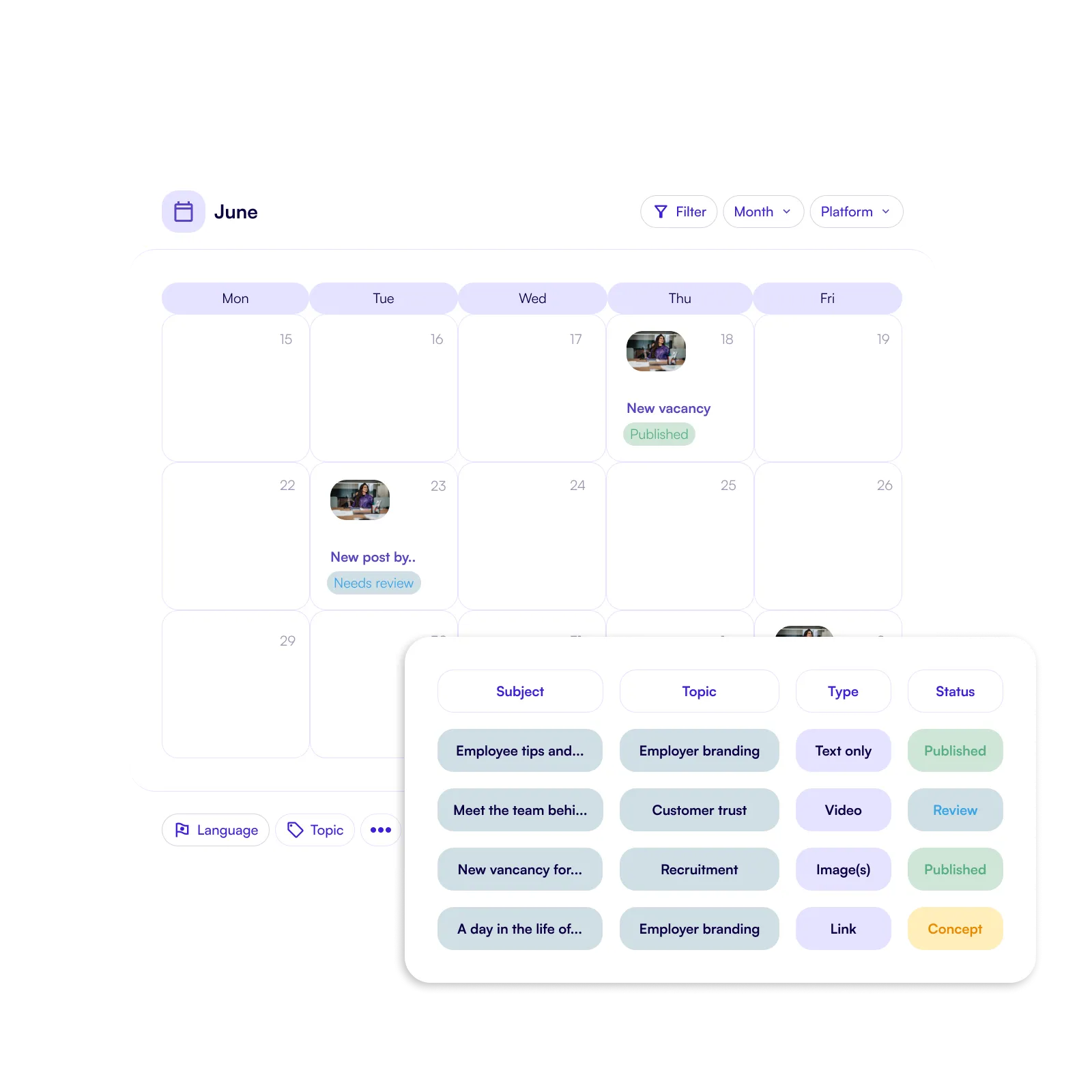
Content calender and themes to easily stay on top of content.

Built for organisations that operate at scale.

The AI Content Engine adapts to the maturity of your organisation and grows with your strategy, from first experiments to always-on activation.

  • Marketing teams define themes and guardrails.
  • Employees, executives and partners use AI support to create or refine content confidently.
  • Instantly translate posts into whatever language you want.

Ready to explore the software and features?

$(document).ready(function() { // Only execute if the URL contains the Dutch slug '/nl' // if(window.location.href.indexOf('/nl') > -1) { // Check if the URL does not contain the word 'webinars' if(window.location.href.indexOf('webinars') === -1) { const modal = $('#webinar-modal'); function webModal(){ hasSeenBanner = getCookie("hasSeenWebinarBanner"); if (hasSeenBanner == "") { modal.addClass('active'); } } function closeModal(){ setCookie('hasSeenWebinarBanner', '1', '20'); modal.removeClass('active'); } $('#close-webinar-modal').click(function() { closeModal(); }); setTimeout(() => { webModal(); }, 15000); // Below you find three function for setting a cookie, getting a cookie and eventually checking whether the cookie exists function setCookie(cname, cvalue, exdays) { const d = new Date(); d.setTime(d.getTime() + (exdays*24*60*60*1000)); let expires = "expires="+ d.toUTCString(); document.cookie = cname + "=" + cvalue + ";" + expires + ";path=/"; } function getCookie(cname) { let name = cname + "="; let decodedCookie = decodeURIComponent(document.cookie); let ca = decodedCookie.split(';'); for(let i = 0; i #webinar-modal.active { z-index: 1000; opacity: 1; } #modal-wrapper { transition-property: opacity, z-index; transition-duration: 200ms, 0; transition-delay: 0, 200ms; } .geek-frame-holder { margin: 0 auto; }