ROI of Employee Advocacy

Employee advocacy delivers measurable value across marketing, sales, recruitment and employer branding by activating employee networks as a distribution channel for content, expertise and opportunities.

Research shows that personal networks outperform corporate channels in reach, engagement and trust, making employee advocacy a key driver of scalable digital growth.
The mobile app to easily share posts to social media.
Trusted by top brands worldwide to activate brand ambassadors
Logo BridgestoneLogo CanonLogo dpdLogo CapgeminiLogo Crowe
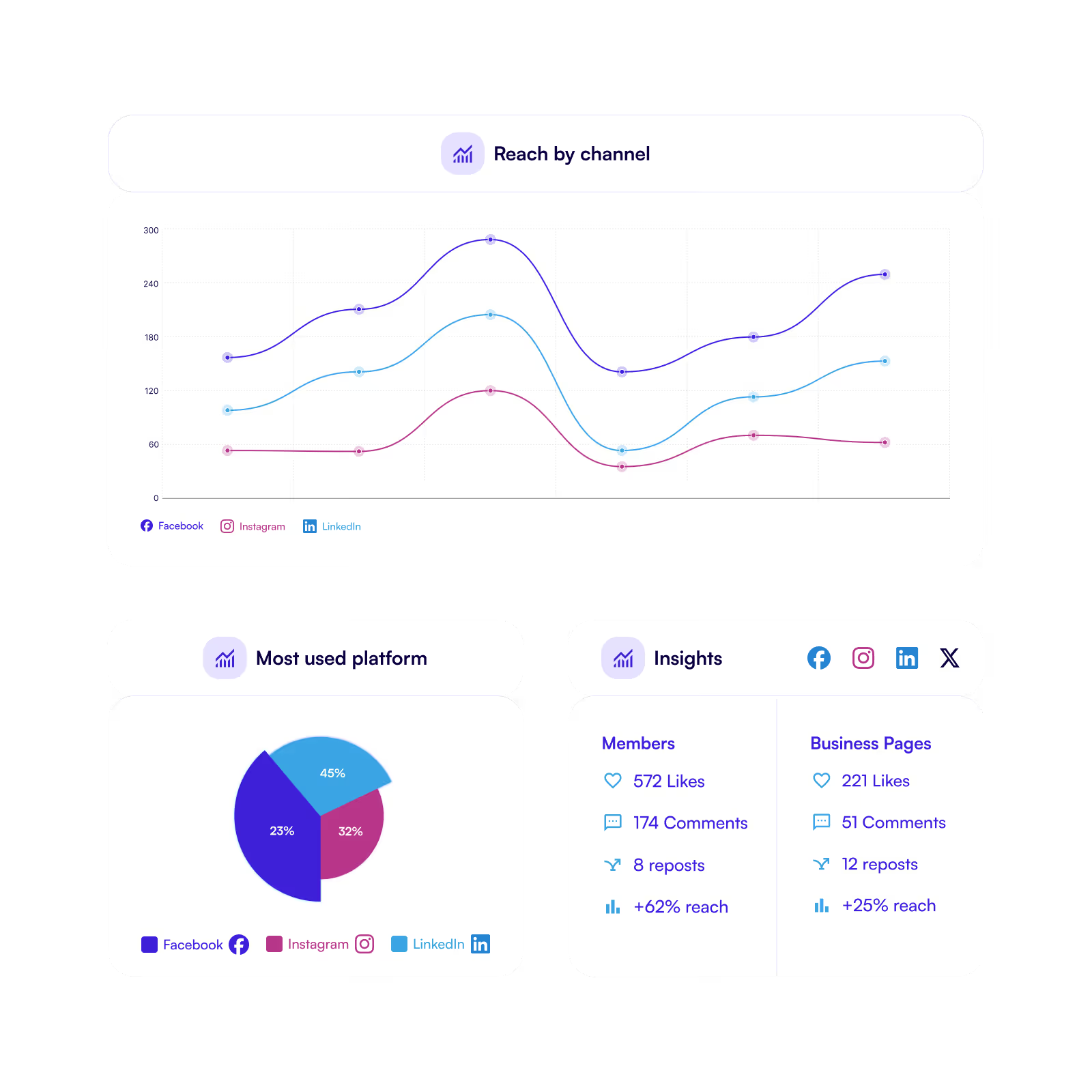
Insights overview with graphs for reach, platforms and engagement insights

More reach & engagement.

Employee advocacy is more effective because employees share content through their personal networks. Research shows:

  • Personal posts generate 500–800% more reach than company page posts.
  • Posts shared by employees generate twice the click-through rate compared to corporate channels.
  • Employee-generated content can generate up to 8 times more engagement than brand content.
  • Organizations implementing employee advocacy report approximately 30% more website traffic.
Reach calculator

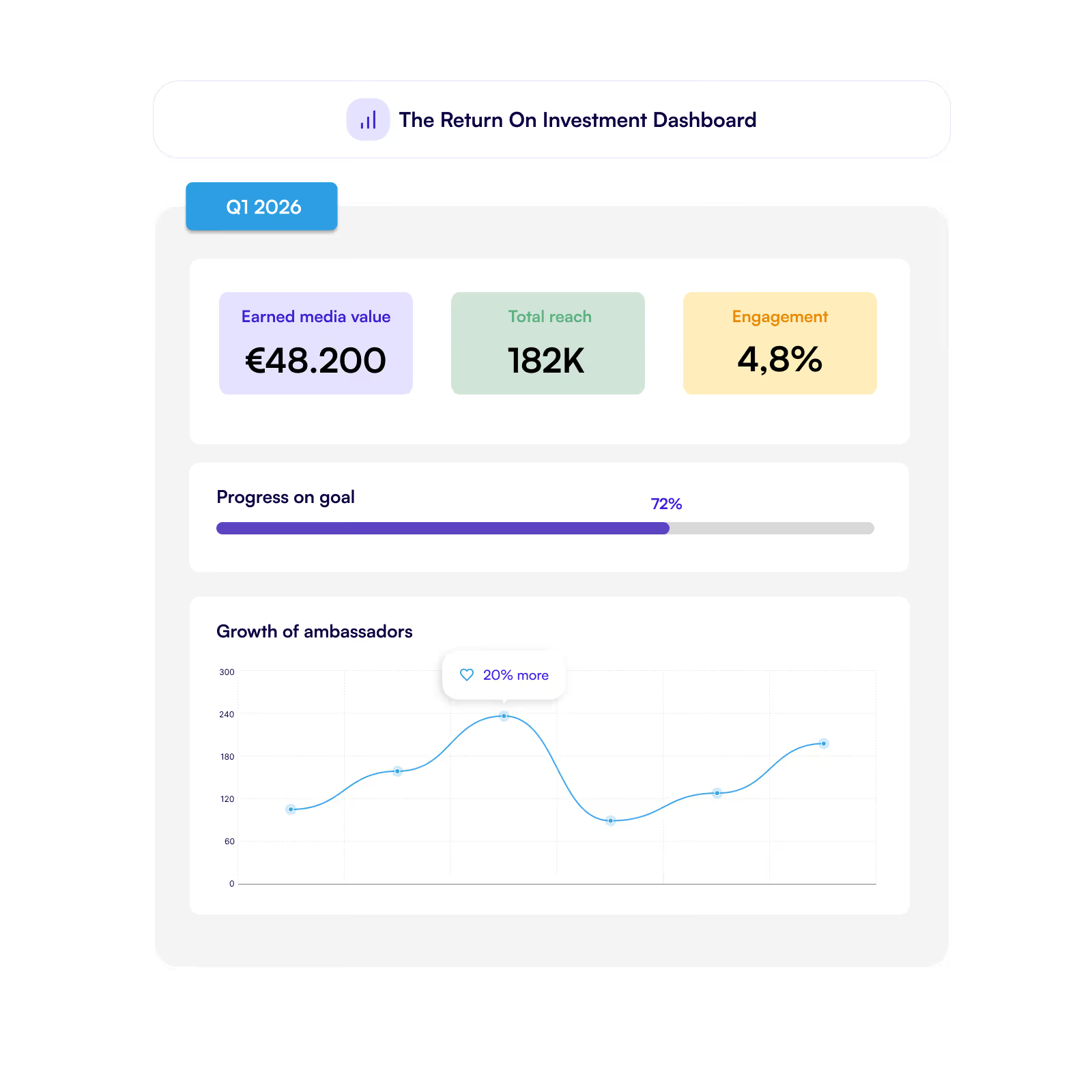
Estimate your earned media value.

On average, a LinkedIn post reaches 25–35% of a user's network. Use the sliders to model your potential reach and earned media value.

Impressions per post
240
Total impressions per post
12,000
Monthly impressions
48,000
Monthly earned media value
€1,920
Annual earned media value
€23,040

Sales and lead generation.

Employee advocacy boosts social selling and lead generation by increasing expert visibility. Research shows:
  • Employee advocacy generates 4 times more leads than traditional marketing channels.
  • Leads generated through employee advocacy convert up to 7 times faster.
  • Companies report 41% more qualified leads when employees actively share content.
  • Sales professionals active on social media are 45% more likely to reach their sales targets.
  • Organizations using social selling report up to 3 times faster sales cycles.
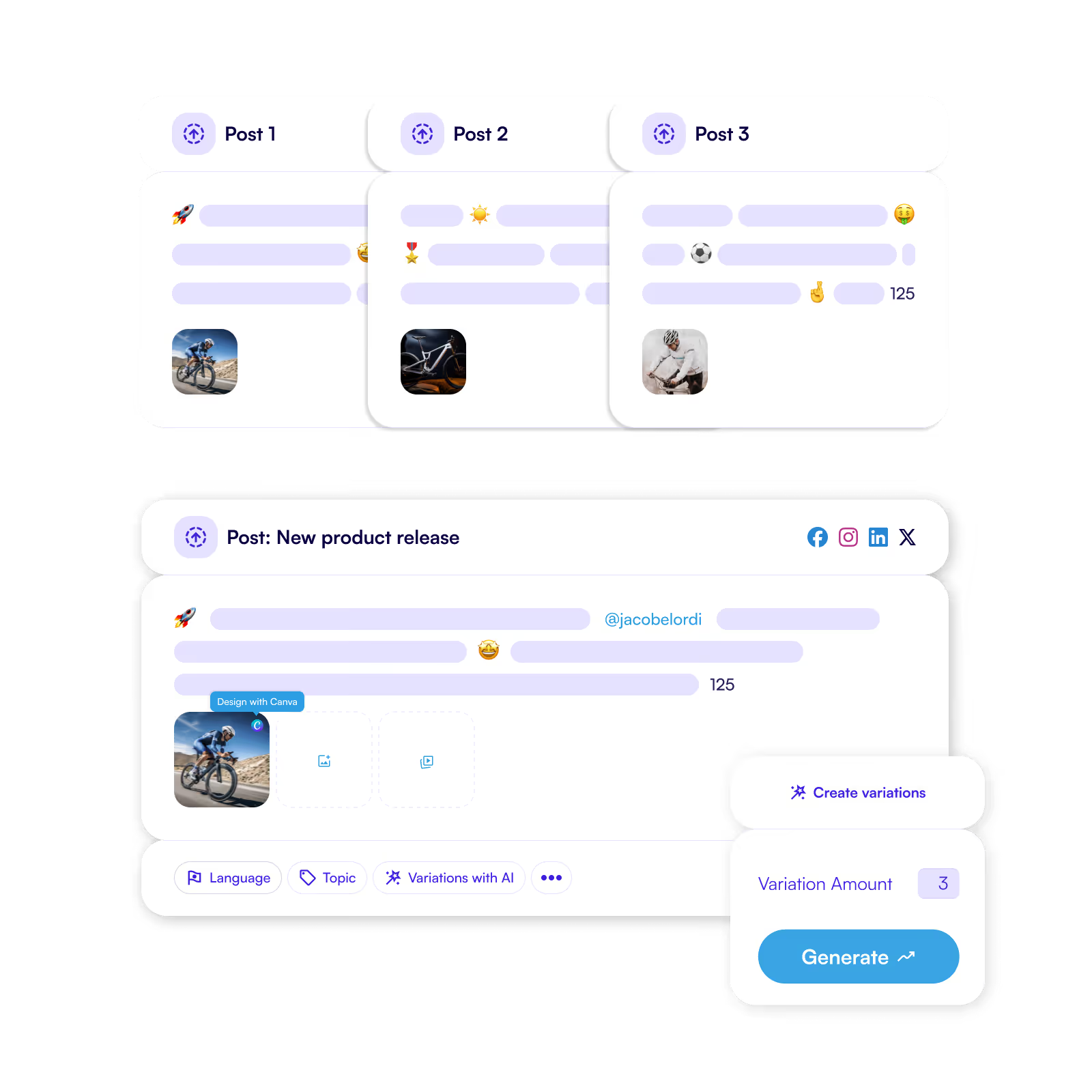
The possibility to create different posts to share for e.g. new product releases
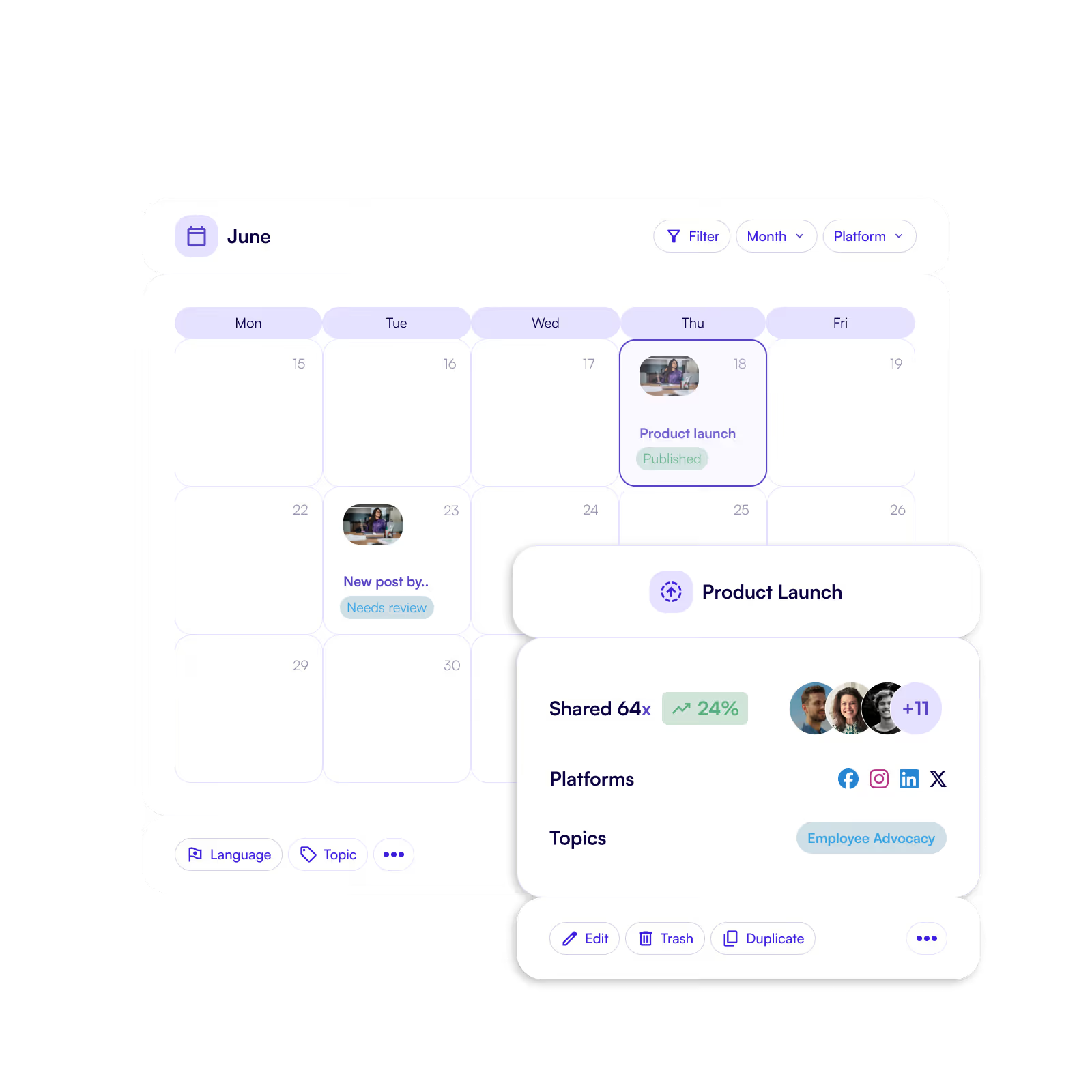
The content calendar where you can view all the posts that have and will be shared

Marketing cost efficiency.

Employee advocacy reduces customer acquisition costs by generating reach through trusted networks instead of paid distribution. Research shows:

  • Reduce advertising costs by up to 45% by replacing paid reach with organic reach through advocacy programs.
  • Cost per lead can decrease by up to 50% when employee networks are used for distribution.
  • Customer acquisition costs can decrease by 23% when social selling and advocacy strategies are implemented.
  • Employee advocacy programs often generate an average return on investment of approximately 5:1.

HR and recruitment.

Employee advocacy also plays a major role in recruitment and employer branding. Key insights include:
  • 76% of job seekers find jobs through their professional network.
  • Job vacancies shared by employees generate 3 times more applications than corporate job postings.
  • Referral hires are 55% faster to recruit compared with traditional recruitment channels.
  • Organizations with strong employer brands can attract 50% more qualified applicants.
  • Employee referral can reduce cost per hire by up to 69.7% compared with traditional recruitment methods.
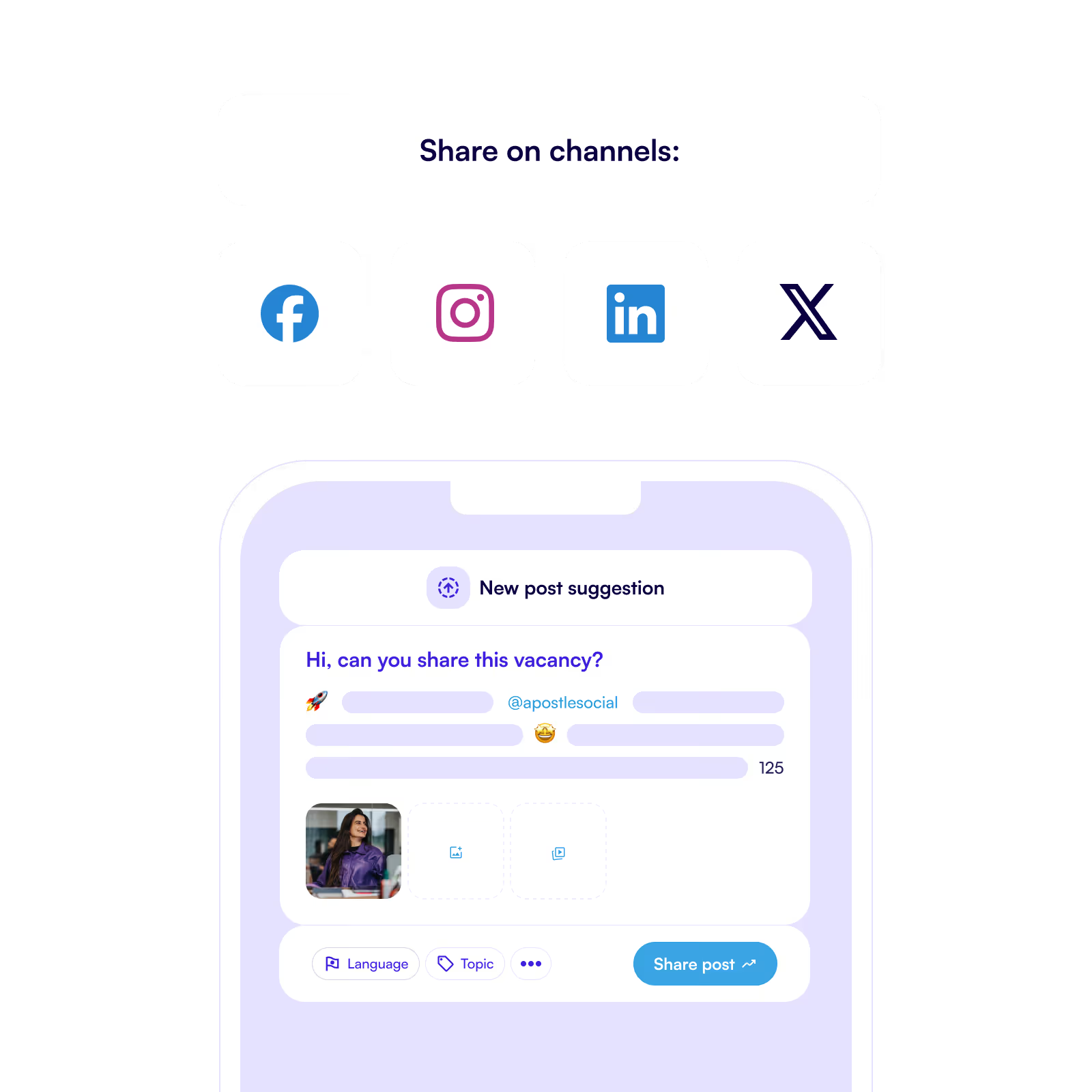
The mobile app to share vacancies to social media with the click of a button.
trust & brand perception

People trust people.

One of the key drivers of employee advocacy ROI is trust. Research consistently shows that people trust recommendations from individuals significantly more than corporate communication.

90%

of consumers trust recommendations from people they know.

Nielsen Global Trust in Advertising Report
84%

trust peer recommendations more than any form of advertising.

Nielsen and Edelman Trust Barometer
69%

trust employee-generated content more than corporate messaging.

Edelman Trust Barometer

Employee involvement and retention.

Employee advocacy also strengthens internal engagement. Research shows:

  • 67% of engaged employees are willing to act as brand ambassadors when given the opportunity.
  • Highly engaged employees are 87% less likely to leave their organization.

By involving employees in storytelling and knowledge sharing, organizations strengthen internal culture while simultaneously increasing external visibility.

Ready to activate your employee network?

Start with a 60-day experiment. Low risk, real results — before you commit to anything.

$(document).ready(function() { // Only execute if the URL contains the Dutch slug '/nl' // if(window.location.href.indexOf('/nl') > -1) { // Check if the URL does not contain the word 'webinars' if(window.location.href.indexOf('webinars') === -1) { const modal = $('#webinar-modal'); function webModal(){ hasSeenBanner = getCookie("hasSeenWebinarBanner"); if (hasSeenBanner == "") { modal.addClass('active'); } } function closeModal(){ setCookie('hasSeenWebinarBanner', '1', '20'); modal.removeClass('active'); } $('#close-webinar-modal').click(function() { closeModal(); }); setTimeout(() => { webModal(); }, 15000); // Below you find three function for setting a cookie, getting a cookie and eventually checking whether the cookie exists function setCookie(cname, cvalue, exdays) { const d = new Date(); d.setTime(d.getTime() + (exdays*24*60*60*1000)); let expires = "expires="+ d.toUTCString(); document.cookie = cname + "=" + cvalue + ";" + expires + ";path=/"; } function getCookie(cname) { let name = cname + "="; let decodedCookie = decodeURIComponent(document.cookie); let ca = decodedCookie.split(';'); for(let i = 0; i #webinar-modal.active { z-index: 1000; opacity: 1; } #modal-wrapper { transition-property: opacity, z-index; transition-duration: 200ms, 0; transition-delay: 0, 200ms; } .geek-frame-holder { margin: 0 auto; }