Start with a low-threshold experiment to experience how Apostle works in practice. You activate a small group of employees, use existing content and work towards measurable results. This allows you to build a clear internal business case before deciding to scale.
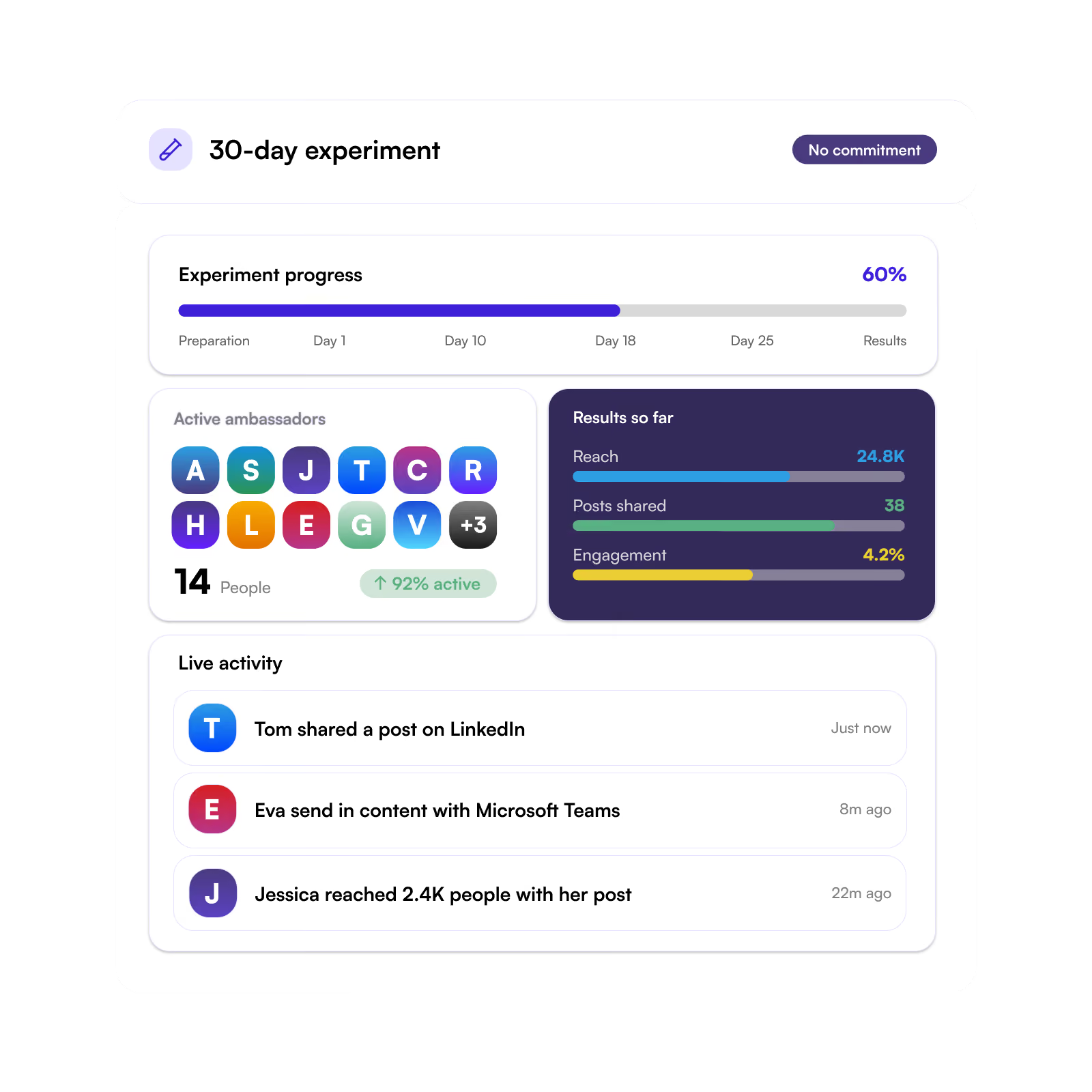





No big rollout. We start with a compact, focused setup with a small group, your existing content, and clear goals defined up front.
SRO Gap analysis and goals, content pillars, group selection and your intranet connection. We'll make sure everything's ready before day one.
The clock starts. Your group shares, we help activate, and the SRO dashboard tracks reach, earned media value and engagement in real time.
A ready-made business case on your real results, not estimates. Decide if and how you scale and at which plan.
Preparation included, everything ready before the 30 days begin.
.svg)
.svg)
The same 30-day experiment adapts to what you're trying to achieve.

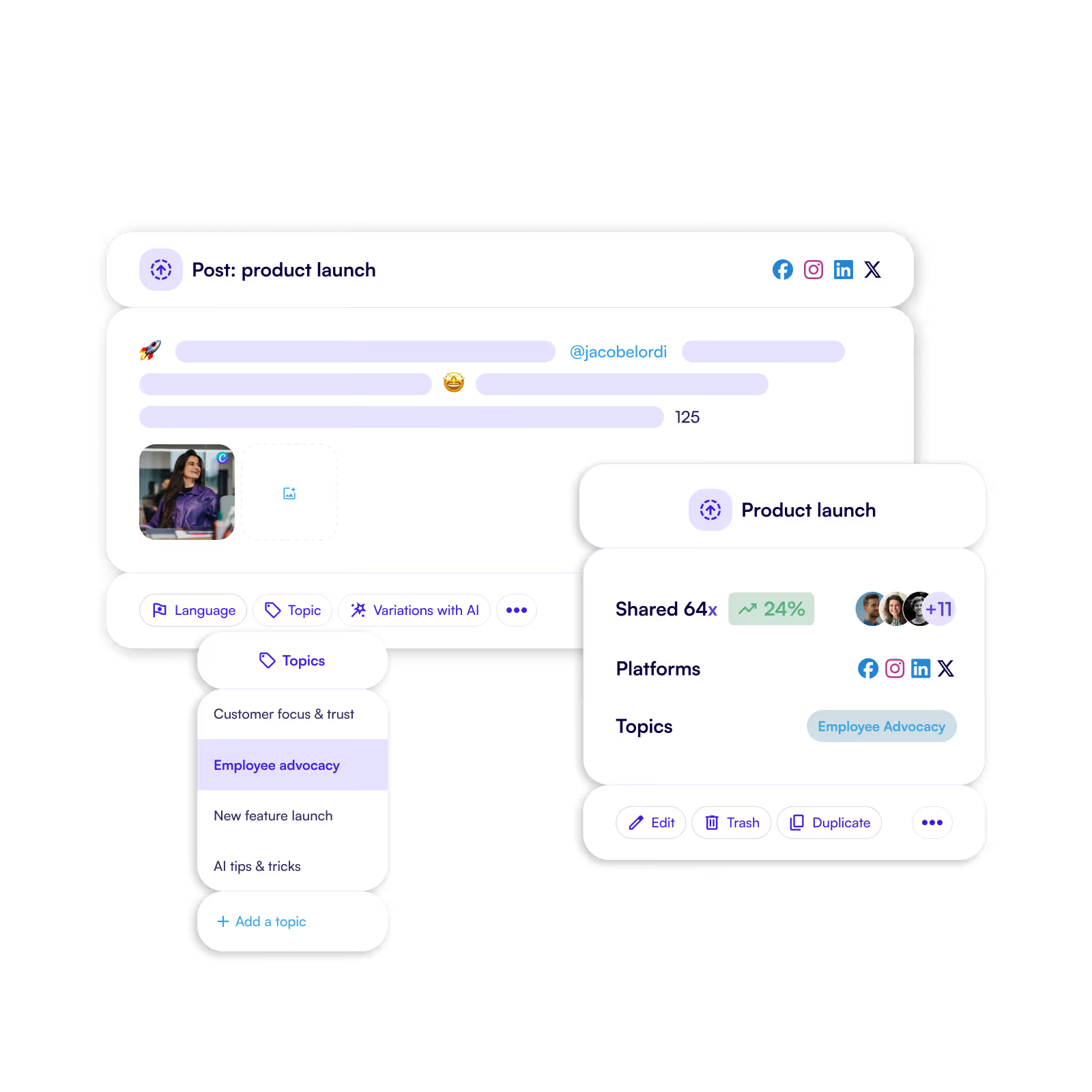
Turn employees into brand ambassadors and reach up to 8× more people, with no extra media budget.

Let colleagues share culture, stories and vacancies through their own networks, more authentic than any campaign.

Activate dealers, franchisees and partners with on-brand content, managed centrally and shared locally.
.svg)
That's why the experiment is built around adoption, impact and internal alignment, not a demo. Instead of a full rollout, you activate real teams in real workflows, with clear goals and hands on guidance. You learn what actually works in your organisation, and you have the numbers to prove it.
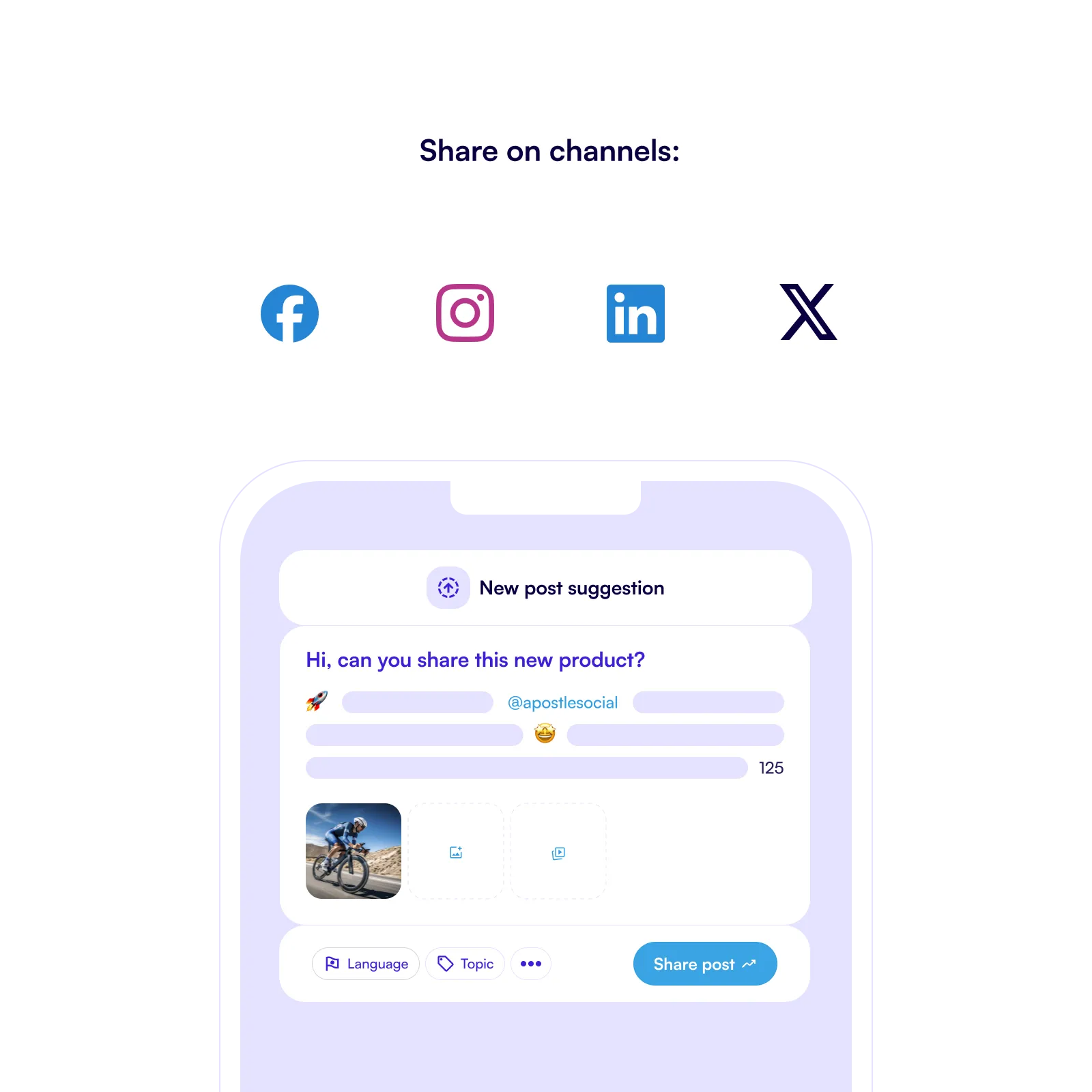

Continue on the plan that fits your solution, scale to more teams, or stop. No strings attached. Because employee advocacy and dealer advocacy work differently, they start at different plans.
.svg)
From the Essential plan and up
From the Essential plan and up
From the Collaborate plan and up


.svg)
Leave your details and we'll send you all the practical information. No commitment yet, only what's relevant to the experiment.
You decide what happens next. We only send information related to the experiment.
.svg)
Together we run an SRO Gap analysis, set clear goals, define your content pillars, select the group that will take part and connect your intranet. By the time the 30 days begin, everything is set up and the first content is ready to share.
It used to take about a month. We're bringing that down significantly, so you're live sooner. The one-time fee covers this groundwork, and the 30-day clock only starts once everything is ready.
€1,450 one-off. That includes the full preparation phase and the 30-day experiment, ending with a business case built on your own results. No subscription during the experiment.
A small group of colleagues or dealers, some existing content to work from, and a kick-off session. We handle the setup and guide you the rest of the way.
Then you've only spent 30 days and a fixed fee to find out based on real data, not a hunch. There's no obligation to continue on a plan afterwards.
Yes. The same experiment runs for employee advocacy, employer branding and dealer/partner advocacy - only the playbook and setup differ.
Discover how to turn your leadership team into thought leaders on social media. Learn how to involve them in employee advocacy for maximum impact.



.svg)