Product capabilities

One Platform To Activate People, Not Just Publish Content

Most social media tools help brands publish content. Apostle is designed to activate people. The platform combines content management, employee activation and governance into one system that helps organisations grow social reach in a structured and scalable way.

How the platform works: three product engines.

ISO/IEC 27001 certification

Content engine.

For marketing and communication teams. Plan campaigns, manage content and guide what employees share.

  • Content calendar and campaign planning.
  • AI-powered digital assistant.
  • Content approval workflows.
  • Personalised content suggestions.
  • Company page management.

This engine ensures content stays relevant, consistent and aligned with business goals.

Activation engine.

For employees, ambassadors and partners. This layer focuses entirely on adoption and engagement. Key capabilities:

  • Behaviour-driven onboarding.
  • Employee learning and microlearning.
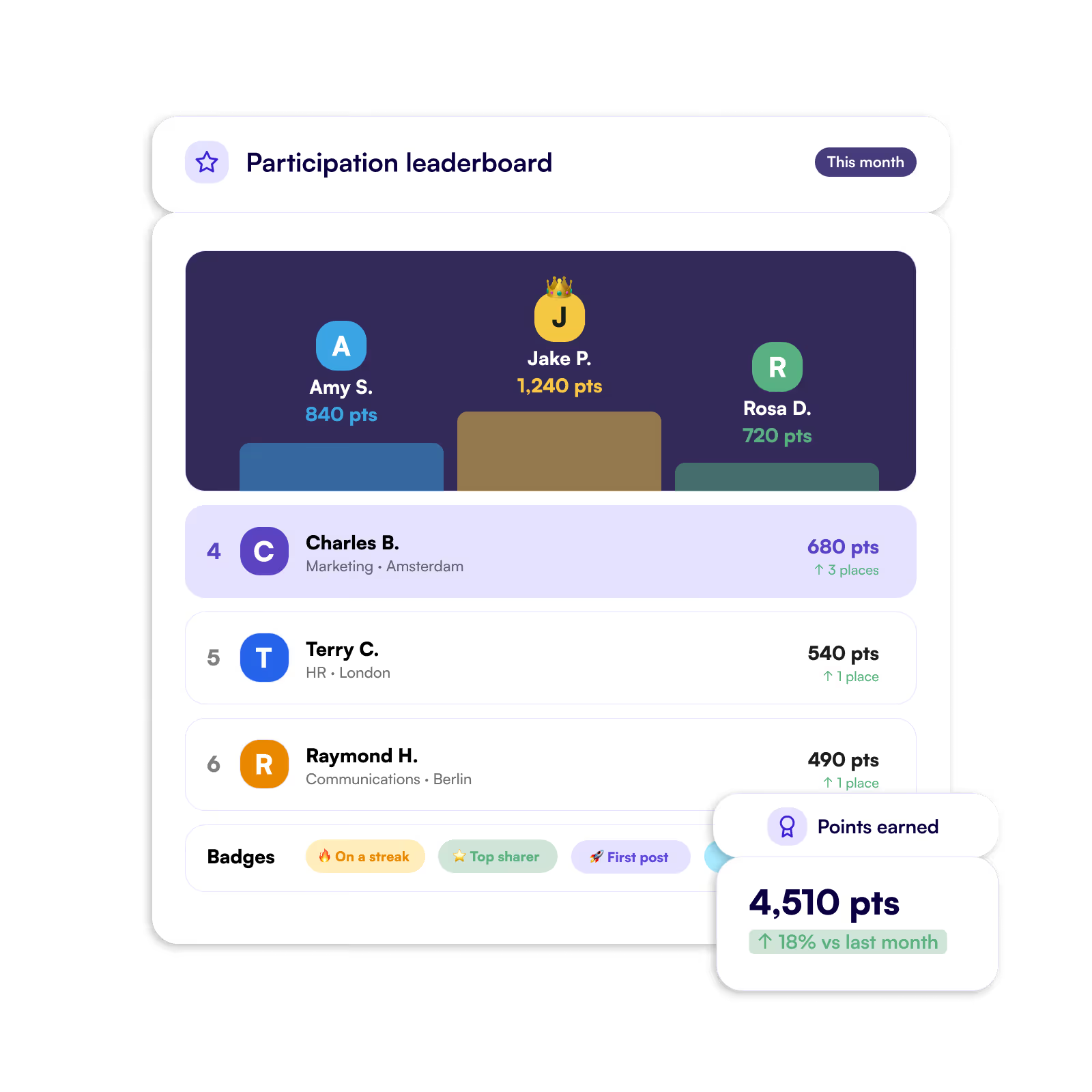
  • Gamification and participation triggers.
  • Mobile app for easy sharing.
  • Omni-channel notifications (email, WhatsApp, Slack)
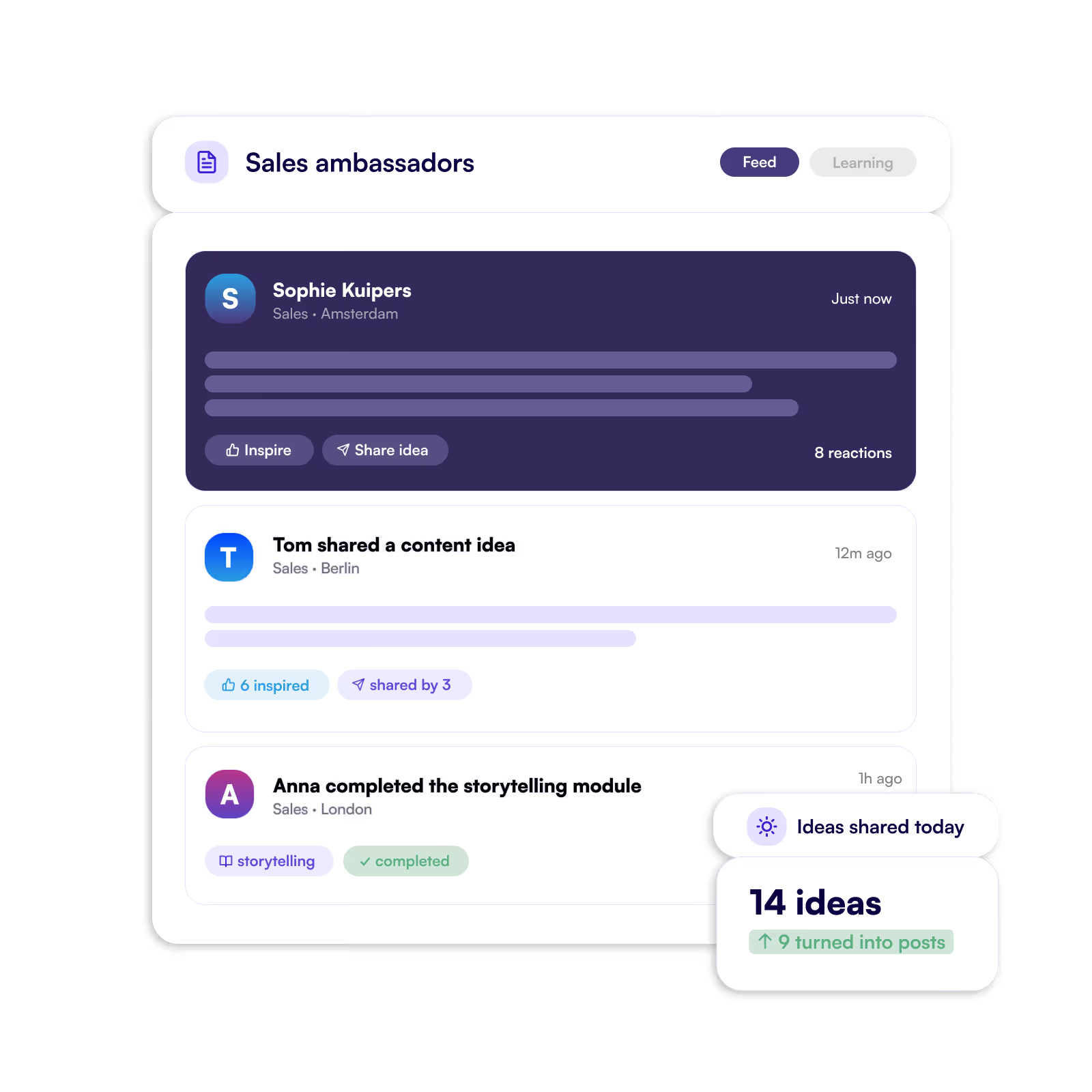
  • Collaboration and communities

The activation engine turns advocacy from a tool into a movement.
GDPR compliance
Roles and permissions in the platform

Governance & analytics engine.

For leadership, IT and program owners. This layer ensures the program remains safe, measurable and scalable. Key capabilities:

  • Multi-layer governance and role management.
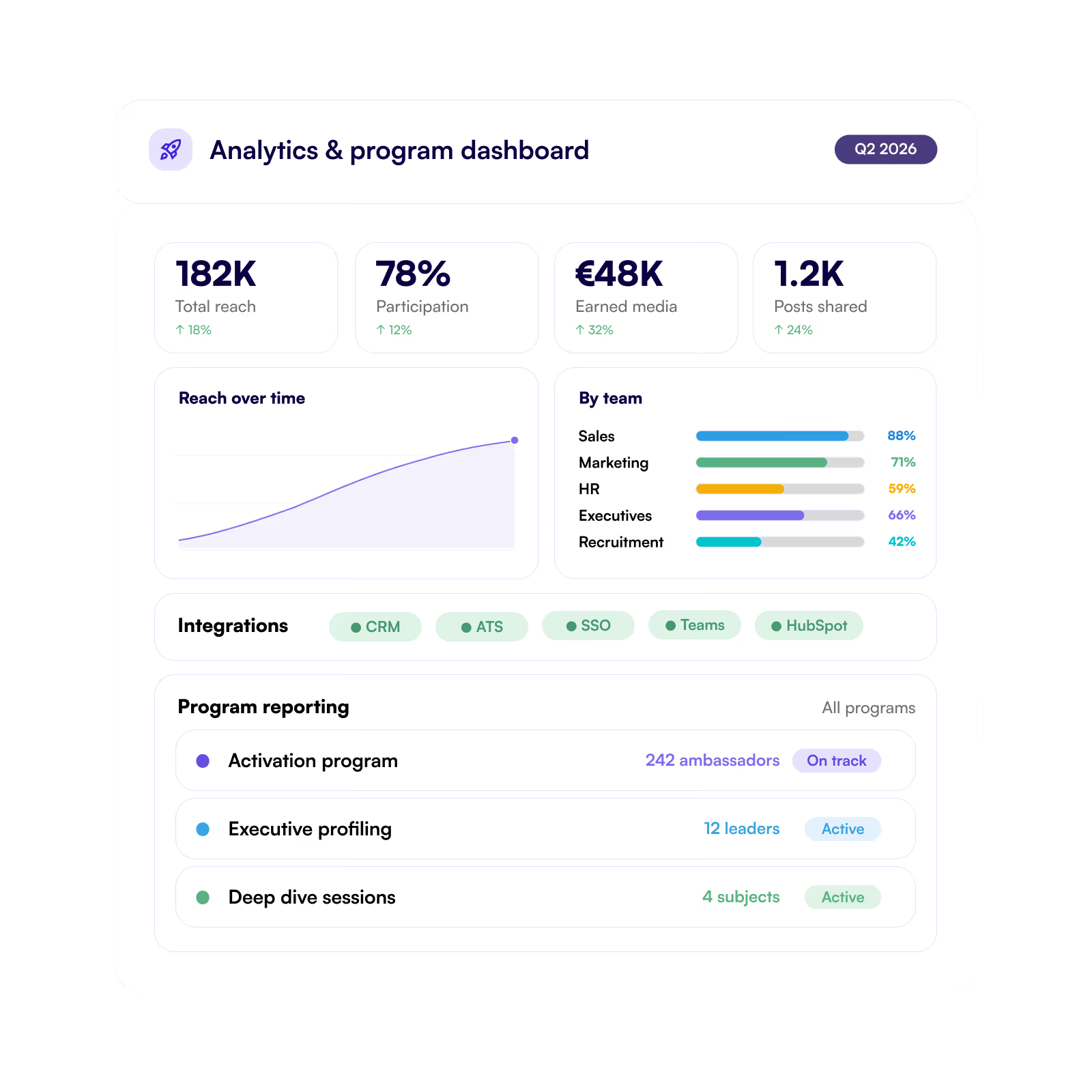
  • KPI dashboards and performance insights.
  • Business app integrations (CRM, ATS, marketing automation).
  • SSO and enterprise security standards.
  • Program-level reporting.

Governance enables organisations to scale advocacy without losing control.

Platform capabilities built for real adoption.

Beyond the three engines, Apostle includes capabilities that support everyday use across teams and departments.

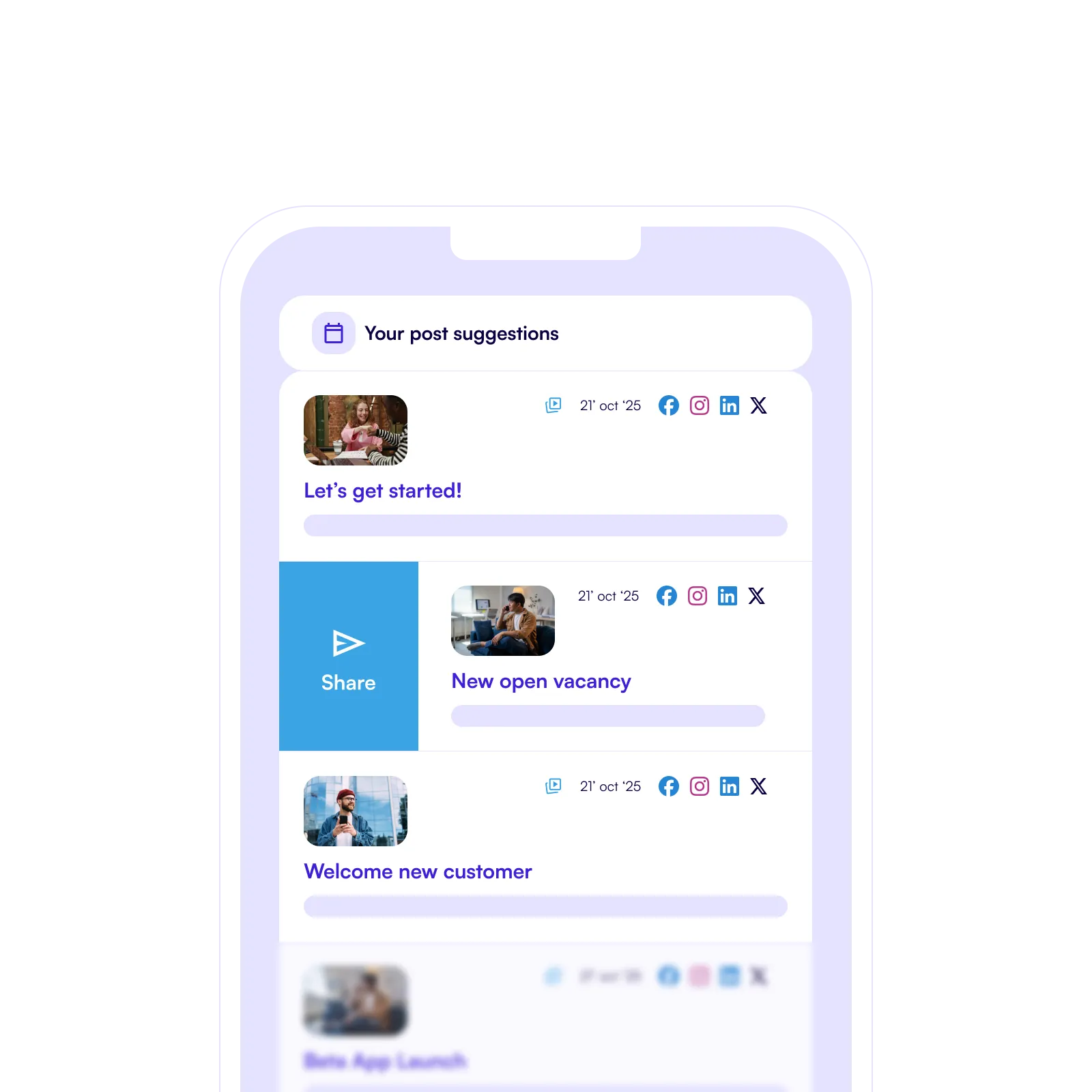
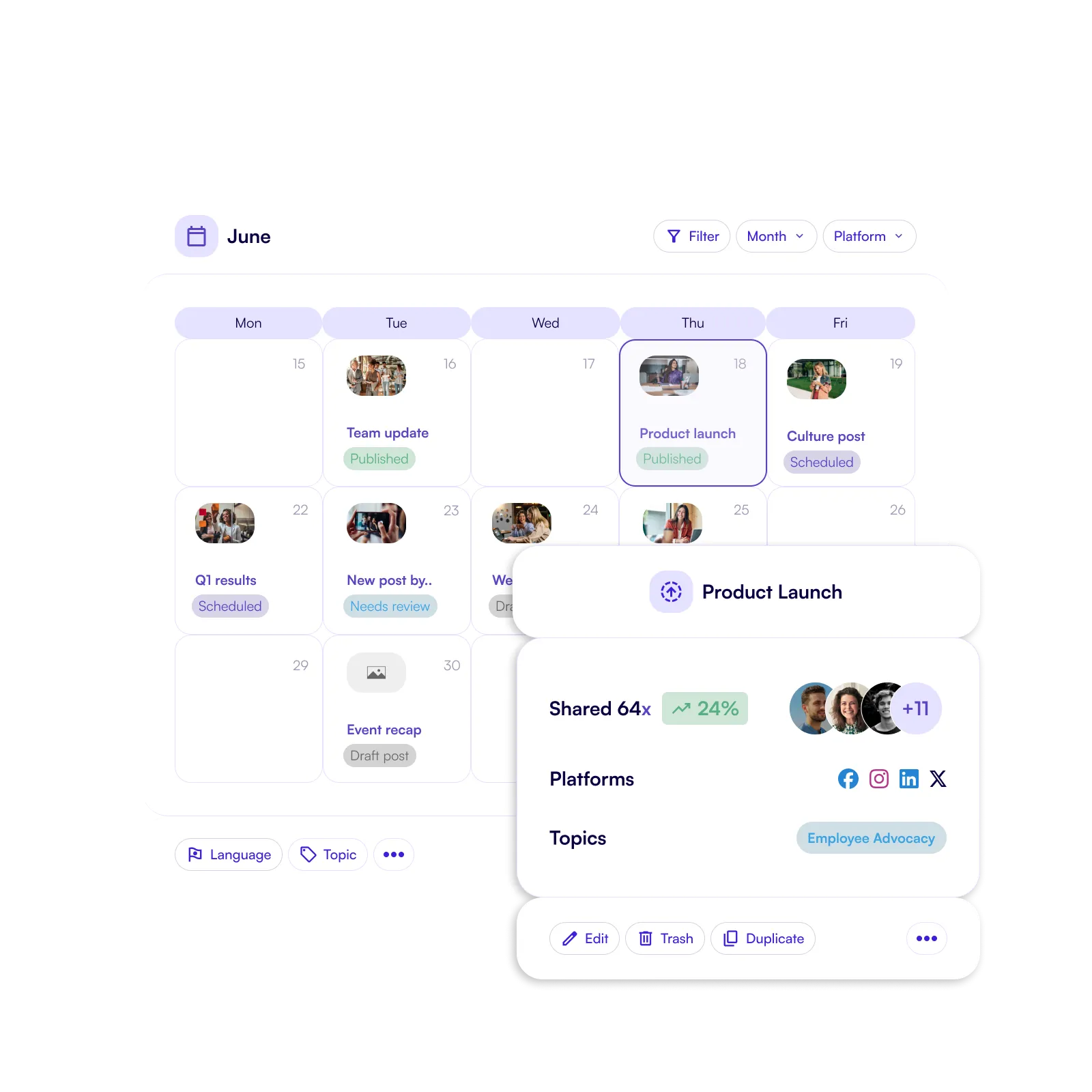
The calendar to view and manage posts
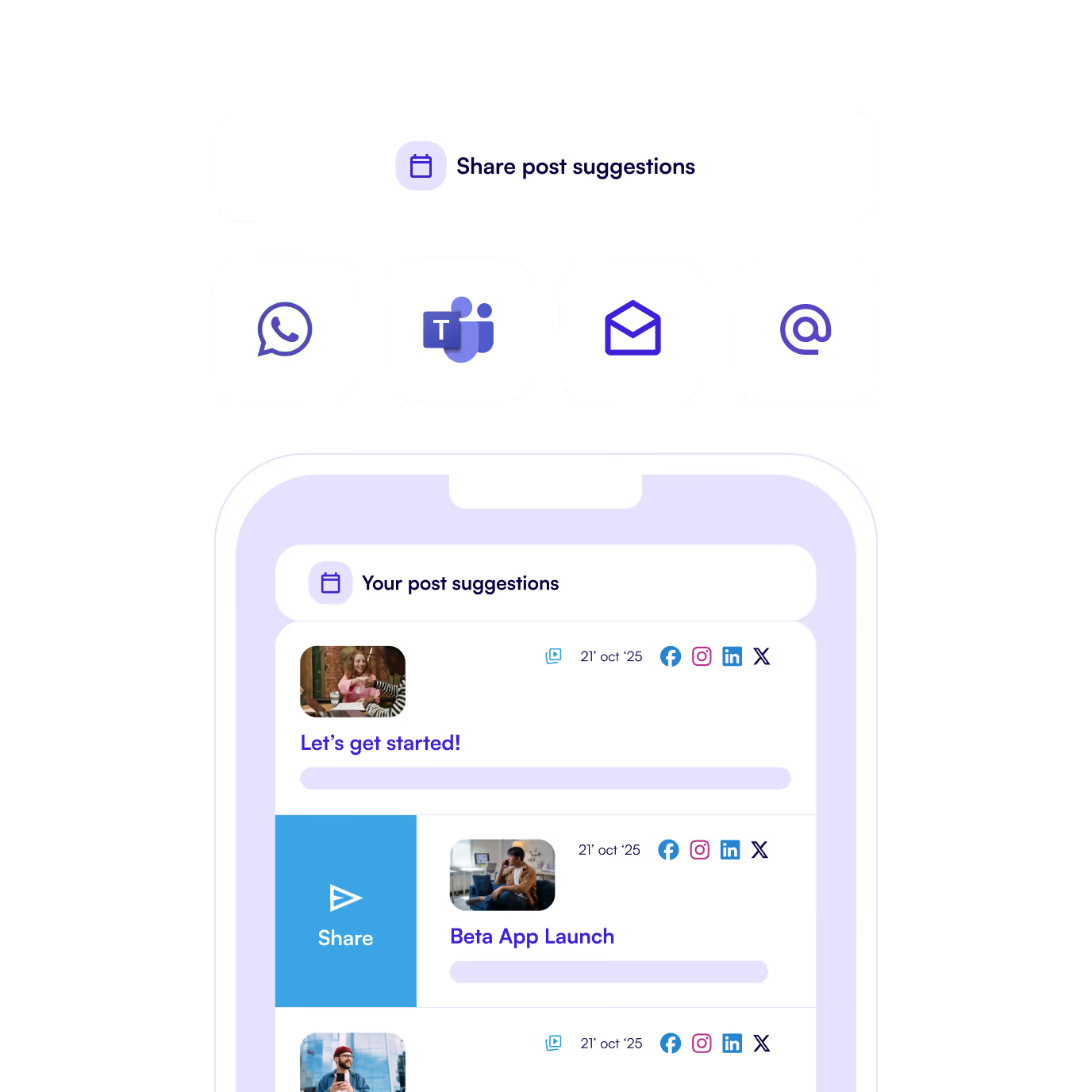
The mobile app with personalized suggestions for easy sharing.
Create post variations with AI.
A mobile app showcasing workflows like expert reviews and sending in content.
Analytic dashboards showing engagement, platfrom distribution and reach.
Multi layer governance by country
Integrate employee intranet
+

Connect advocacy with internal communication. Employees can discover content and updates directly from familiar environments such as intranet platforms, reducing friction and increasing participation.

Collaboration, communities and employee learning
+

Create communities around teams, roles or expertise — where employees, ambassadors and partners collaborate, share ideas and inspire each other. Integrated learning modules build confidence over time, guiding employees from basic sharing to storytelling and thought leadership.

Business app integrations
+

Connect Apostle with your existing systems. Typical integrations include:

  • CRM platforms
  • Marketing automation tools
  • ATS and referral systems
  • Internal communication platforms

This makes advocacy part of everyday workflows.

Company page management
+

Coordinate corporate and employee communication. Marketing teams can manage company page content alongside employee content to ensure alignment across brand, recruitment and thought leadership.

Mobile app
+

Enable participation anywhere. The mobile app allows employees to discover content, share posts and stay connected with advocacy initiatives wherever they are.

AI-powered digital assistant
+

Support employees and program managers with AI. The assistant helps generate content ideas, refine posts and guide users within the platform.

Omni-channel communications
+

Reach people where they already work. Content and notifications can be delivered through multiple channels including email, mobile notifications and collaboration platforms.

Capabilities don't drive advocacy. Proof does.

That's why we start with a 60-day experiment: activating employees, real content, and meaurable results.

$(document).ready(function() { // Only execute if the URL contains the Dutch slug '/nl' // if(window.location.href.indexOf('/nl') > -1) { // Check if the URL does not contain the word 'webinars' if(window.location.href.indexOf('webinars') === -1) { const modal = $('#webinar-modal'); function webModal(){ hasSeenBanner = getCookie("hasSeenWebinarBanner"); if (hasSeenBanner == "") { modal.addClass('active'); } } function closeModal(){ setCookie('hasSeenWebinarBanner', '1', '20'); modal.removeClass('active'); } $('#close-webinar-modal').click(function() { closeModal(); }); setTimeout(() => { webModal(); }, 15000); // Below you find three function for setting a cookie, getting a cookie and eventually checking whether the cookie exists function setCookie(cname, cvalue, exdays) { const d = new Date(); d.setTime(d.getTime() + (exdays*24*60*60*1000)); let expires = "expires="+ d.toUTCString(); document.cookie = cname + "=" + cvalue + ";" + expires + ";path=/"; } function getCookie(cname) { let name = cname + "="; let decodedCookie = decodeURIComponent(document.cookie); let ca = decodedCookie.split(';'); for(let i = 0; i #webinar-modal.active { z-index: 1000; opacity: 1; } #modal-wrapper { transition-property: opacity, z-index; transition-duration: 200ms, 0; transition-delay: 0, 200ms; } .geek-frame-holder { margin: 0 auto; }