Activate dealers, franchisees, and partners with on-brand content: managed centrally, shared locally, and automatically tailored to every location.



.svg)
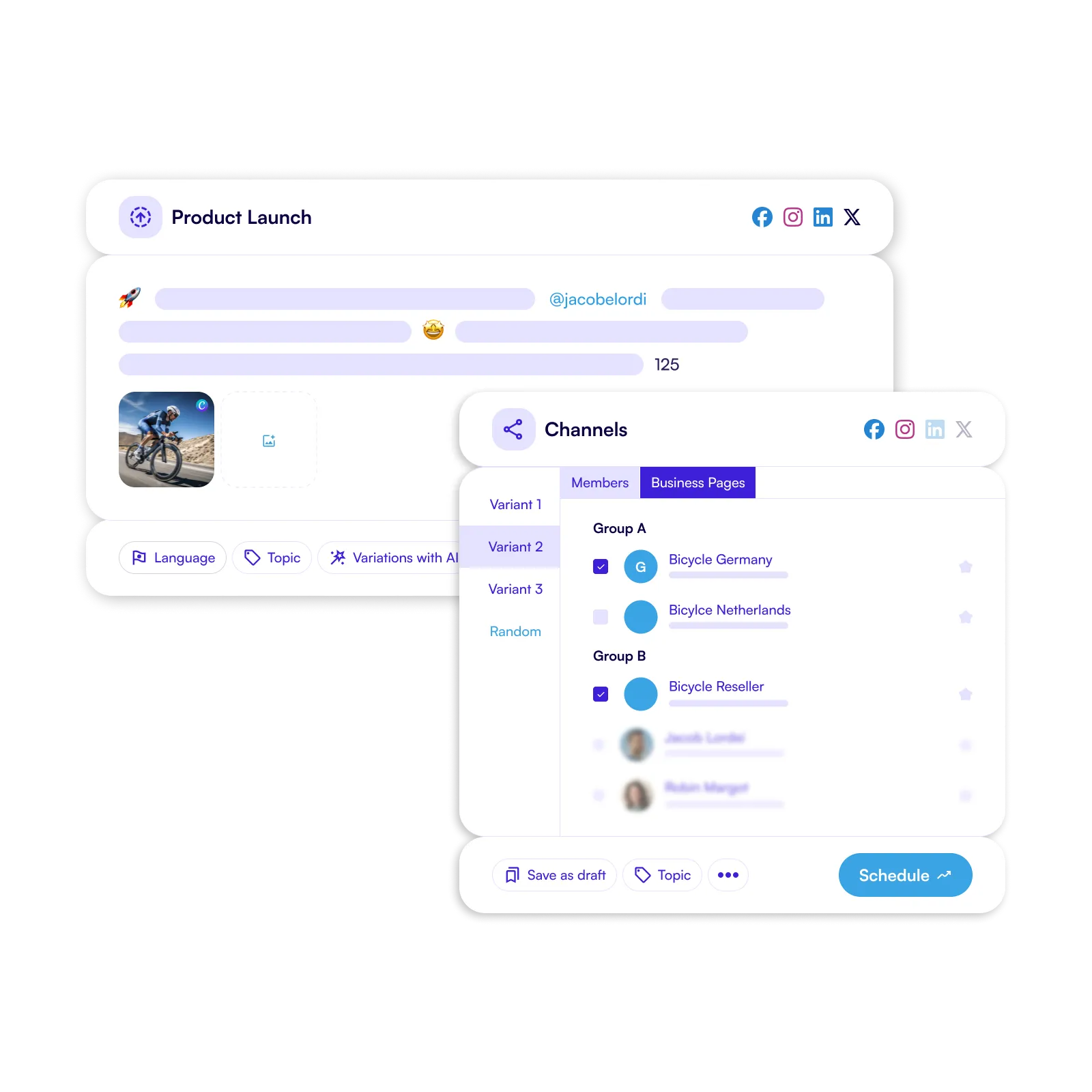
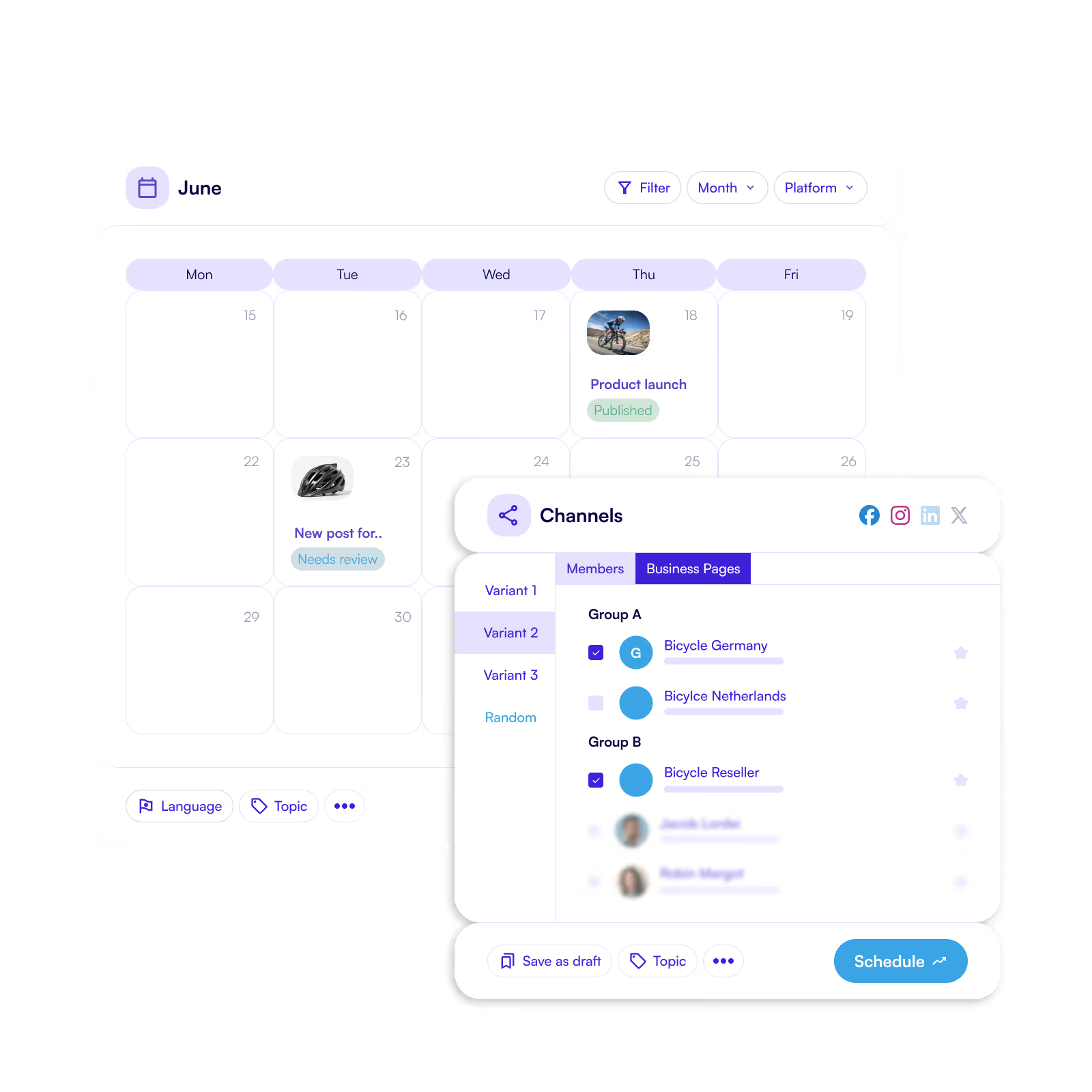
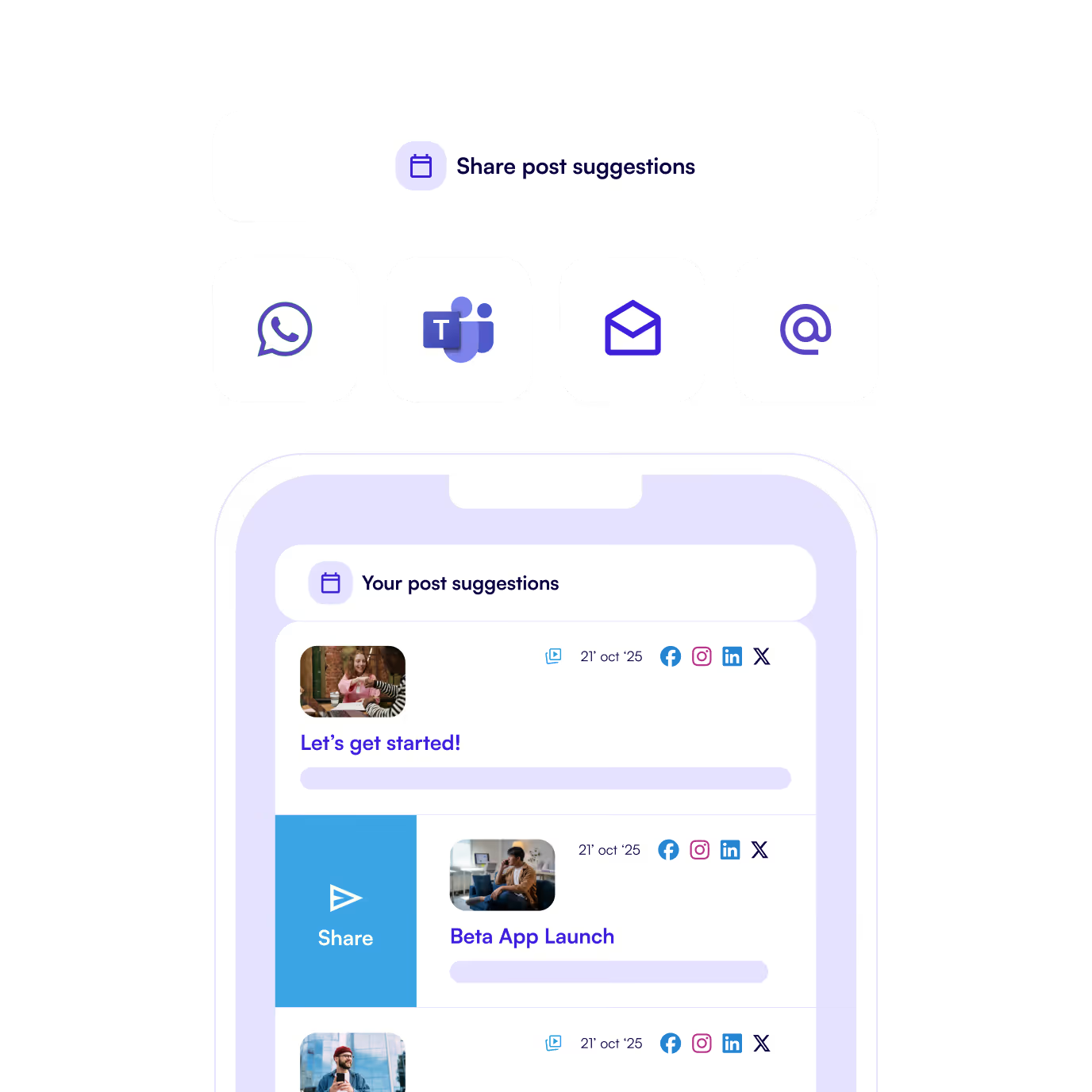
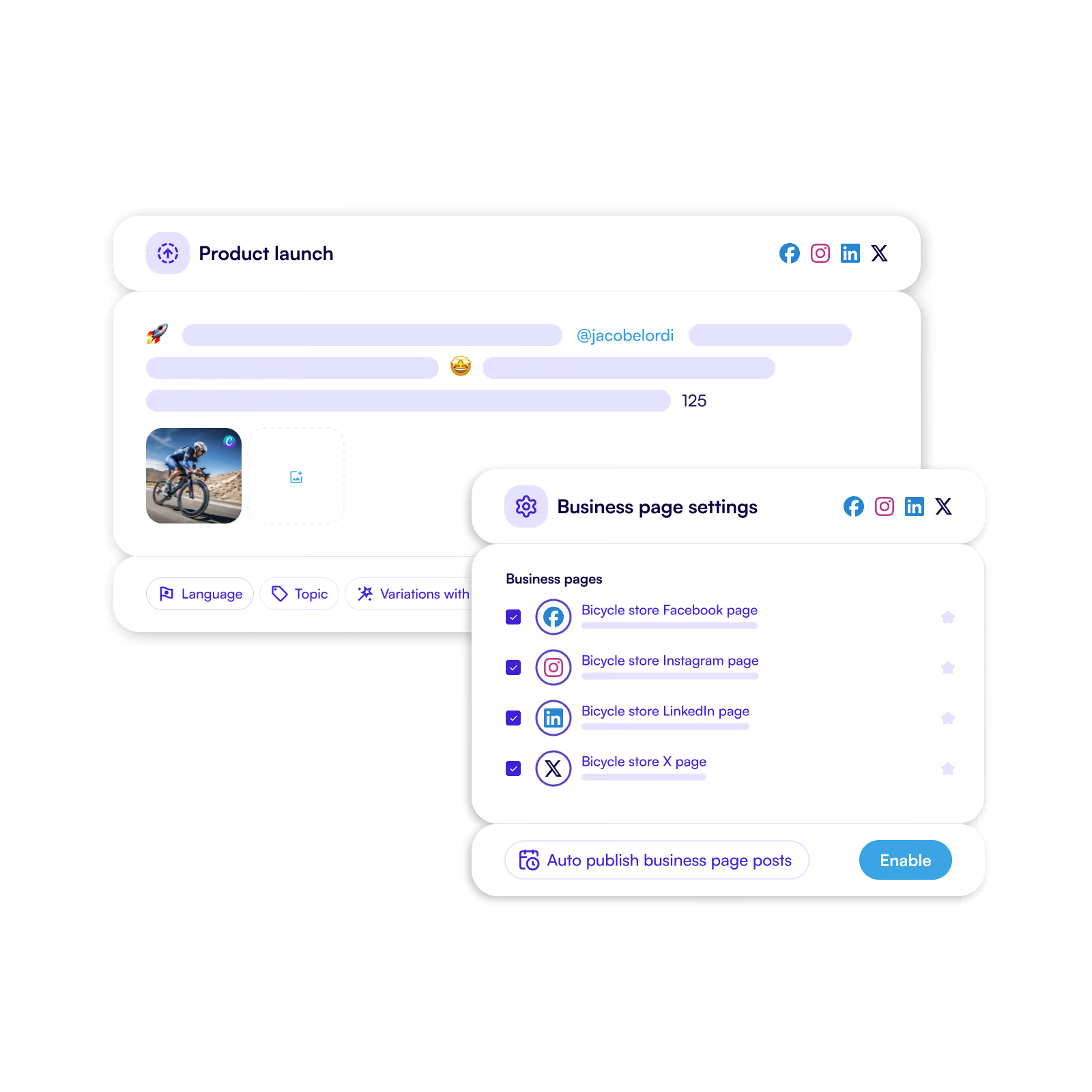
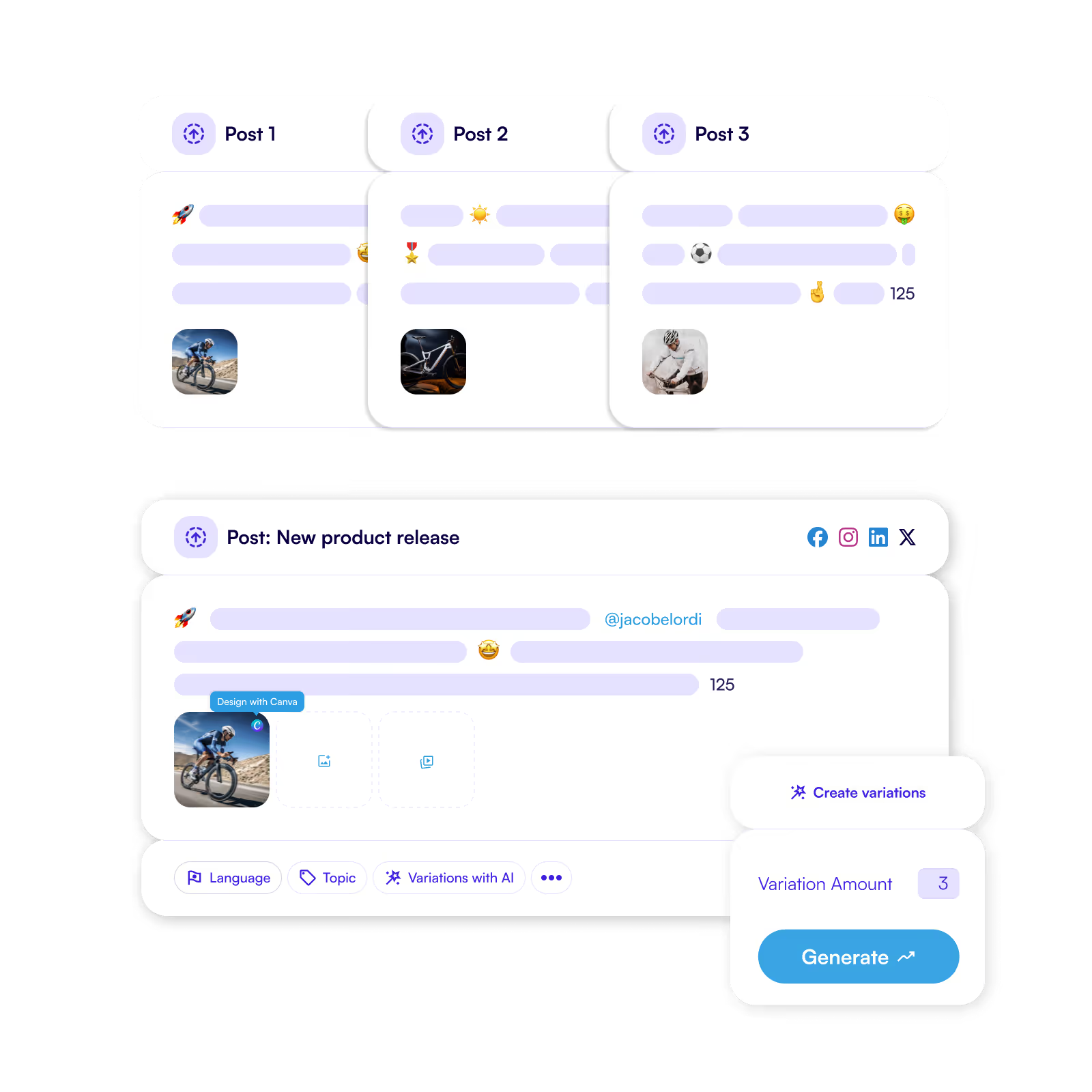
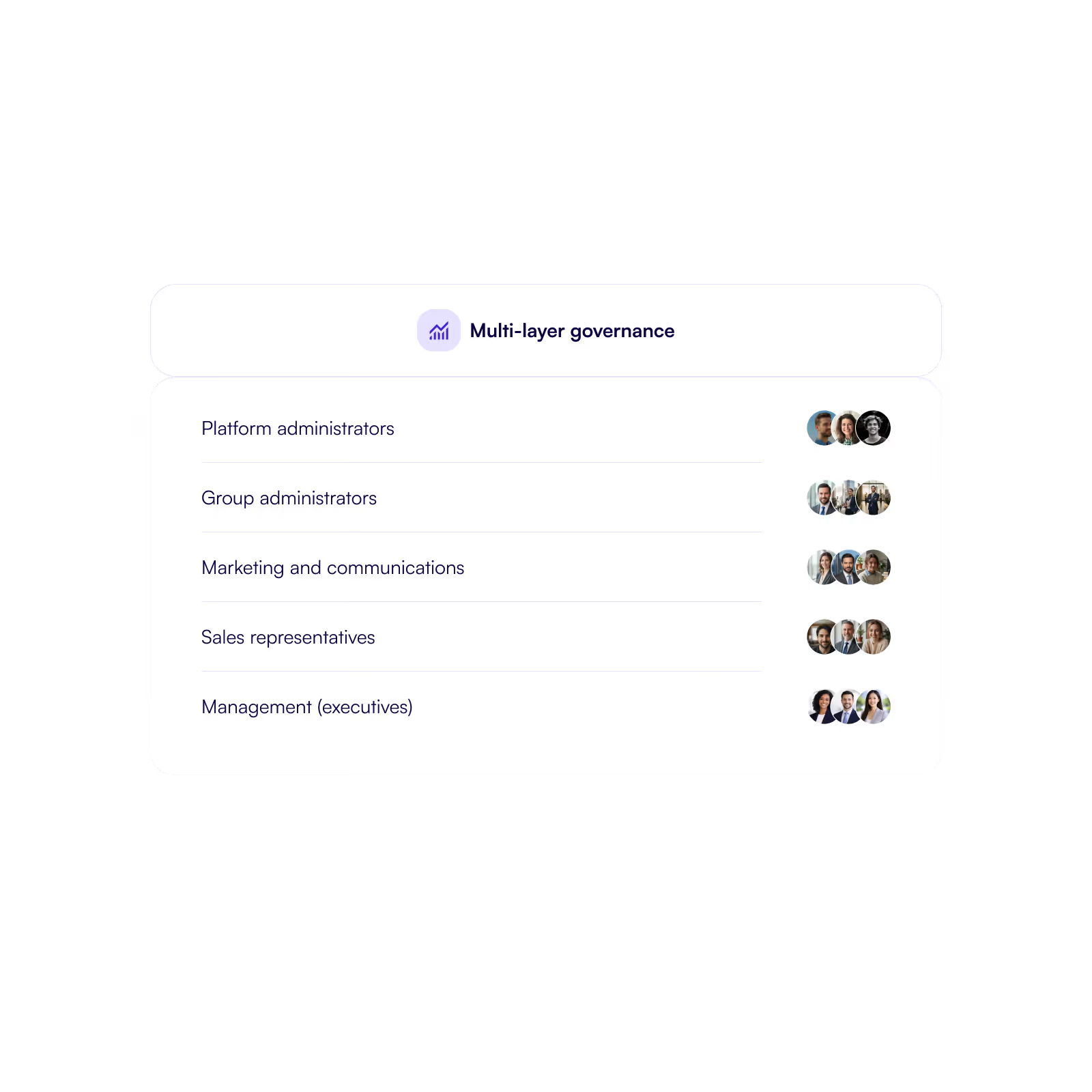
Every dealer, franchisee, and partner has a local audience you can't reach from HQ. Give them on-brand content that auto-fills their location, phone, and email, then publishes on its own, all while you keep central control. That's Social Reach Optimization for distributed networks.
Of product searches are local, capture that in-store.
Of followers visit your store at least once.
Monthly time saved vs. scheduling for every partner.
Placement with auto-approve: no effort needed.
.svg)
No big rollout, no commitment. We handle the groundwork, then you run a focused 30-day experiment with a small group. When it's done, you decide whether to continue or not.
SRO Gap analysis and goals, content pillars, group selection and your intranet connection. We'll make sure everything's ready before day one.
The clock starts. Your group shares, we help activate, and the SRO dashboard tracks reach, earned media value and engagement in real time.
A ready-made business case on your real results, not estimates. Decide if and how you scale and at which plan.
Preparation included, everything ready before the 30 days begin.

When the experiment proves the case, pick the plan that fits. All plans billed yearly and guided by a certified SRO Professional.
.svg)
Request details about the 30-day experiment or book a demo.
Discover how to turn your leadership team into thought leaders on social media. Learn how to involve them in employee advocacy for maximum impact.



.svg)

.svg)